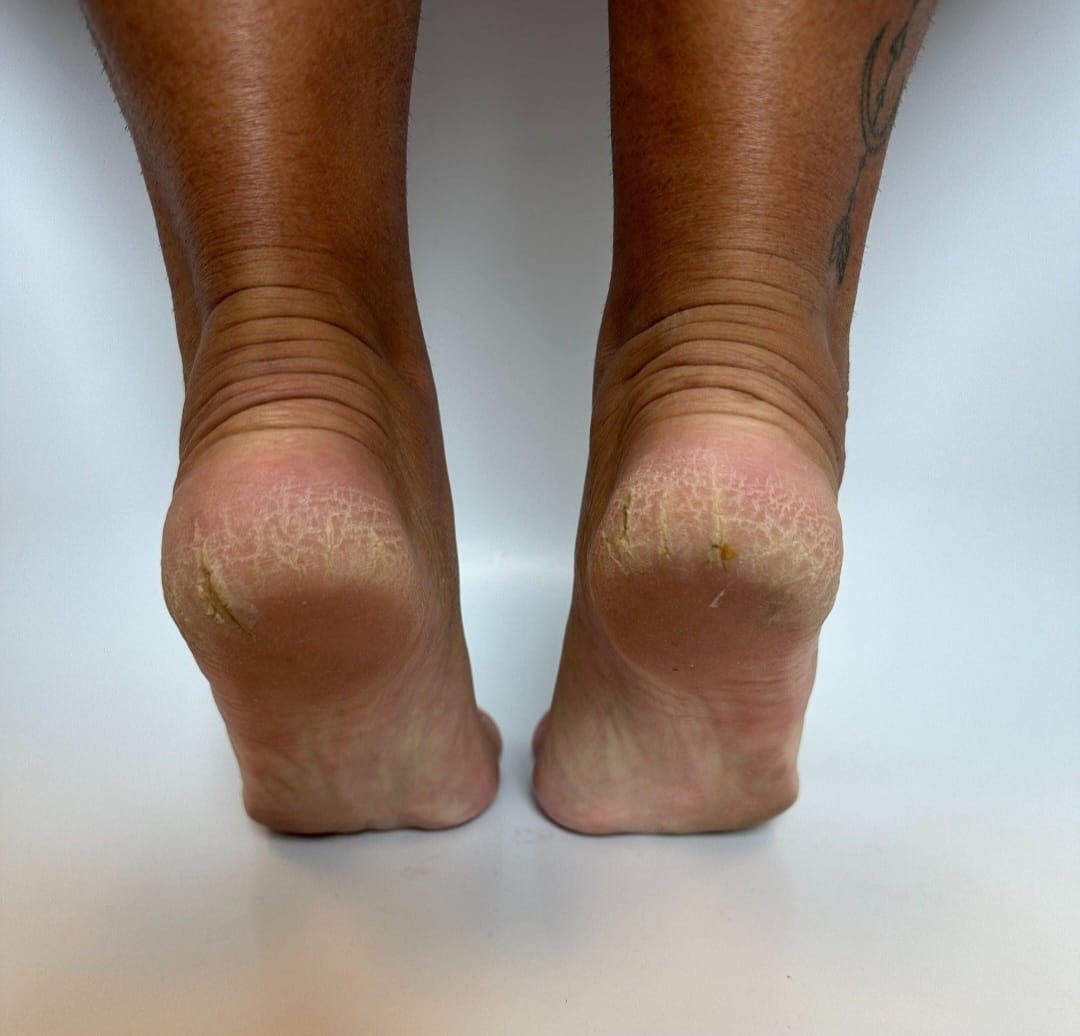
Fortunately, most cases of cracked heels can be treated at home with consistent care. Start by soaking your feet in warm water for about 10 to 15 minutes to soften the skin. After soaking, gently remove dead skin using a pumice stone or a foot file. Avoid scrubbing too hard, as this can damage healthy skin. After drying your feet, apply a thick moisturizing cream that contains ingredients such as urea, lactic acid, glycerin, or petroleum jelly. These ingredients help lock in moisture and repair the skin barrier. For even better results, apply the moisturizer before bed and wear clean cotton socks overnight to keep the cream in place while you sleep.
Preventing cracked heels is much easier than treating them. Moisturize your feet every day, even if they do not feel dry. Wear comfortable, supportive shoes with closed heels whenever possible, and avoid walking barefoot on rough surfaces. Drink enough water throughout the day to help keep your skin hydrated from the inside. Maintaining a healthy body weight can also reduce pressure on the heels. Regular foot care, including trimming thick skin and keeping your feet clean, can make a big difference.
Although cracked heels are usually harmless, there are times when medical attention is necessary. If the cracks are deep, bleed frequently, become swollen, or show signs of infection such as redness, warmth, pus, or increasing pain, you should see a healthcare professional. People with diabetes should never ignore cracked heels because even small wounds can become serious if left untreated.
Healthy feet are essential for daily life. They support your body every time you stand, walk, or exercise. Spending just a few minutes each day caring for your feet can prevent painful cracks, improve comfort, and keep your heels soft, smooth, and healthy throughout the year. Small daily habits, such as moisturizing, wearing proper footwear, and checking your feet regularly, can make a lasting difference in your overall foot health.
Cracked Heels: Causes, Treatment, and Simple Ways to Keep Your Feet Healthy