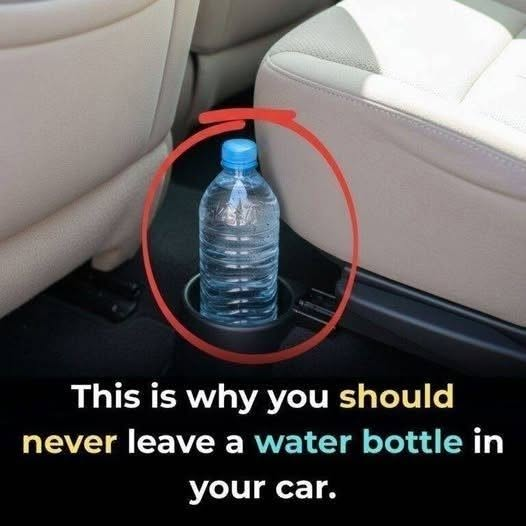
Respect temperature limits: Understand that single-use plastics have a designated lifecycle that does not include extreme thermal cycling.
The Microbial Playground: Heat and Hygiene
The third major factor to consider when leaving a bottle in a car relates to hygiene. This is especially true if you have already opened the bottle and taken a sip.
The Impact of Backwash
When you drink from any container, a microscopic amount of organic matter from your mouth—including natural flora and food particles—transfers back into the liquid. This is entirely normal and harmless if you finish the drink relatively quickly or store it in a refrigerator.
The Car as an Incubator
However, when you introduce this opened bottle to a hot car environment, you create the perfect conditions for organic growth. Warm, stagnant water is an ideal breeding ground for microbial activity.
At room temperature, the growth rate of everyday bacteria is relatively slow. But when the temperature inside the vehicle climbs into the 90s or 100s, the container acts like an incubator. The longer the opened bottle sits in the warm environment, the more time the microscopic flora has to multiply.
Signs of Compromised Water
While you might not always be able to see the changes, there are signs that an opened bottle left in a car is no longer ideal for consumption:
Cloudiness: If the water looks murky or less transparent than usual.
Odor: A stale, musty, or unusual smell when you open the cap.
Slippery Texture: If the inside of the bottle feels unusually slippery or slimy, this is a clear sign of biofilm formation.
For optimal hygiene, it is always best to discard any previously opened water that has been sitting in a warm vehicle for an extended period. It is always better to start with fresh hydration.