Helps protect against UV-induced skin damage (though not a substitute for sunscreen!)
🥗 How to Add Purslane to Your Daily Routine
Purslane is incredibly versatile. Here’s how to enjoy it:
🥬 Raw (Best for preserving nutrients)
Toss young leaves and stems into salads
Blend into green smoothies (mild flavor pairs well with citrus)
Use as a garnish for soups, grain bowls, or avocado toast
🍳 Cooked (Softens texture, concentrates flavor)
Sauté with garlic and olive oil as a side dish
Add to soups, stews, or omelets in the last few minutes of cooking
Stir into rice or quinoa pilafs
🥒 Preserved
Pickle purslane stems for a tangy condiment
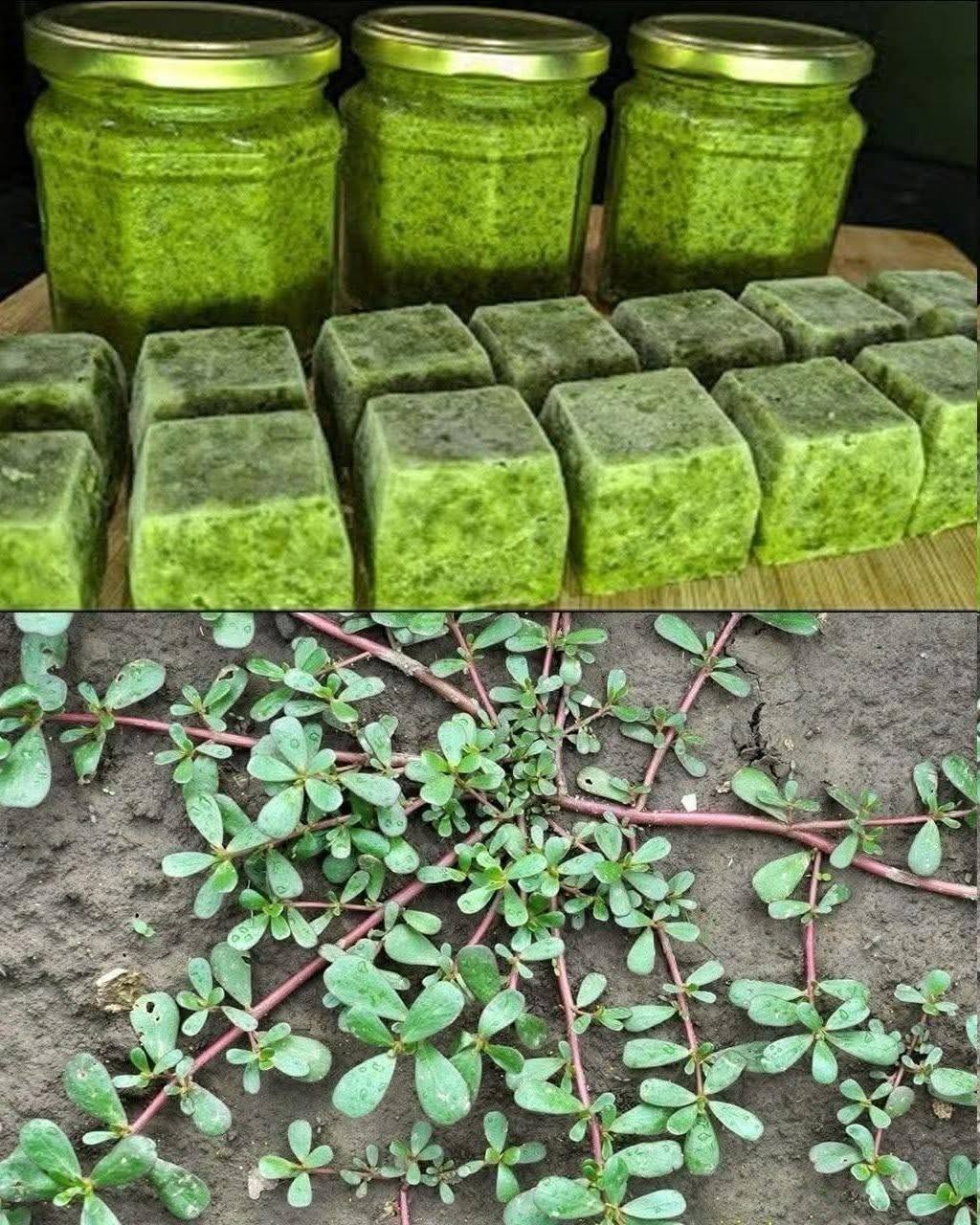
Freeze chopped purslane in ice cube trays with water or broth for easy addition to future meals
💡 Pro Tips:
Harvest young: Tender leaves and stems have the best texture and mildest flavor.
Rinse well: Purslane grows close to the ground; wash thoroughly to remove soil.
Start small: Begin with ¼–½ cup daily to assess tolerance, then increase as desired.
Pair with healthy fats: Omega-3s in purslane are better absorbed when eaten with olive oil, avocado, or nuts.
⚠️ Safety Considerations (Especially After 60)
While purslane is generally safe and nutritious, a few precautions are wise:Health
Consideration
Guidance
Oxalates
Purslane contains moderate oxalates. If you have a history of kidney stones, consume in moderation and stay well-hydrated.
Medication Interactions
High potassium content may interact with certain blood pressure or diuretic medications. Consult your doctor if you’re on potassium-sparing drugs.
Pesticide Exposure
If foraging, avoid areas treated with herbicides or near busy roads. When buying, choose organic when possible.
Allergies
Rare, but discontinue use if you experience itching, swelling, or digestive upset.
Pregnancy
Traditional use includes caution during pregnancy; consult your provider if applicable.
🩺 Always consult your healthcare provider before making significant dietary changes, especially if you have chronic health conditions or take medications.Nutrition
🌱 Where to Find Purslane
Your garden: Often grows voluntarily—learn to identify it (succulent leaves, red-tinged stems, yellow flowers).
Farmers markets: Increasingly sold as a specialty green.
Ethnic grocery stores: Common in Middle Eastern, Asian, and Latin American markets.
Online: Seeds or live plants available from specialty herb suppliers.
Foraging: Learn proper identification from a local expert or reputable guide to avoid look-alikes.
📊 Nutritional Snapshot: Purslane (1 cup raw, ~45g)
What Happens to Your Body When You Eat Purslane Every Day — Especially After 60